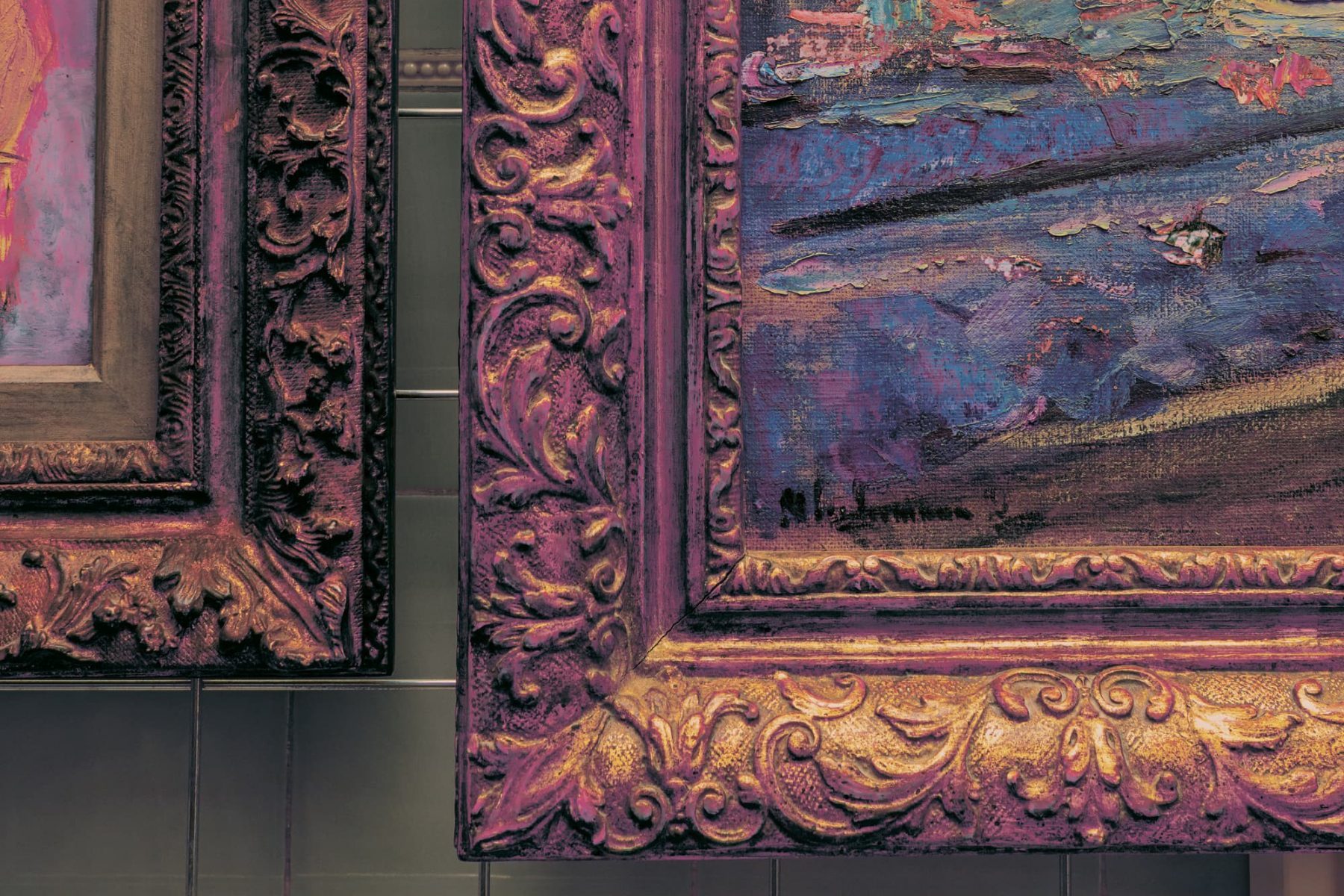
When artworks speak

Provenance research on the collection of the Liebermann Villa

The collection of the Liebermann Villa has been assembled since the 1990s and today includes over 200 objects, most of them from the hand of Max Liebermann. But where do the works come from? Which paths have they left behind from their creation to their entry into our collection? The fall exhibition “When pictures speak. Provenance research on the Liebermann-Villa collection” explores these questions from October 1, 2022.

Audio Guide “When Artworks Speak”

Follow our provenance researchers Alice Cazzola and Viktoria Krieger and their experiences, discoveries and explanations of the exhibits in our exhibition. To the audio guide

About the exhibition

Provenance research plays a special role in Max Liebermann’s work. In the first decades of the 20th century his pictures were widely collected, in the Weimar Republic they were part of important art collections. As a result, many Liebermann objects changed their location and their owners from 1933 onwards: Among other things, they were stolen from persecuted families, taken into exile, sold under the most difficult circumstances in financial distress or sold by German museums. The Liebermann family also lost most of their art collection during the National Socialist period.

In December 2020, a project funded by the German Lost Art Foundation began in the Liebermann-Villa am Wannsee, in which the inventory of the Liebermann-Villa is being systematically examined. The exhibition “When Artworks Speak” presents the results of this research and tells the origin stories of selected works from the collection of the Liebermann Villa.
Gallery

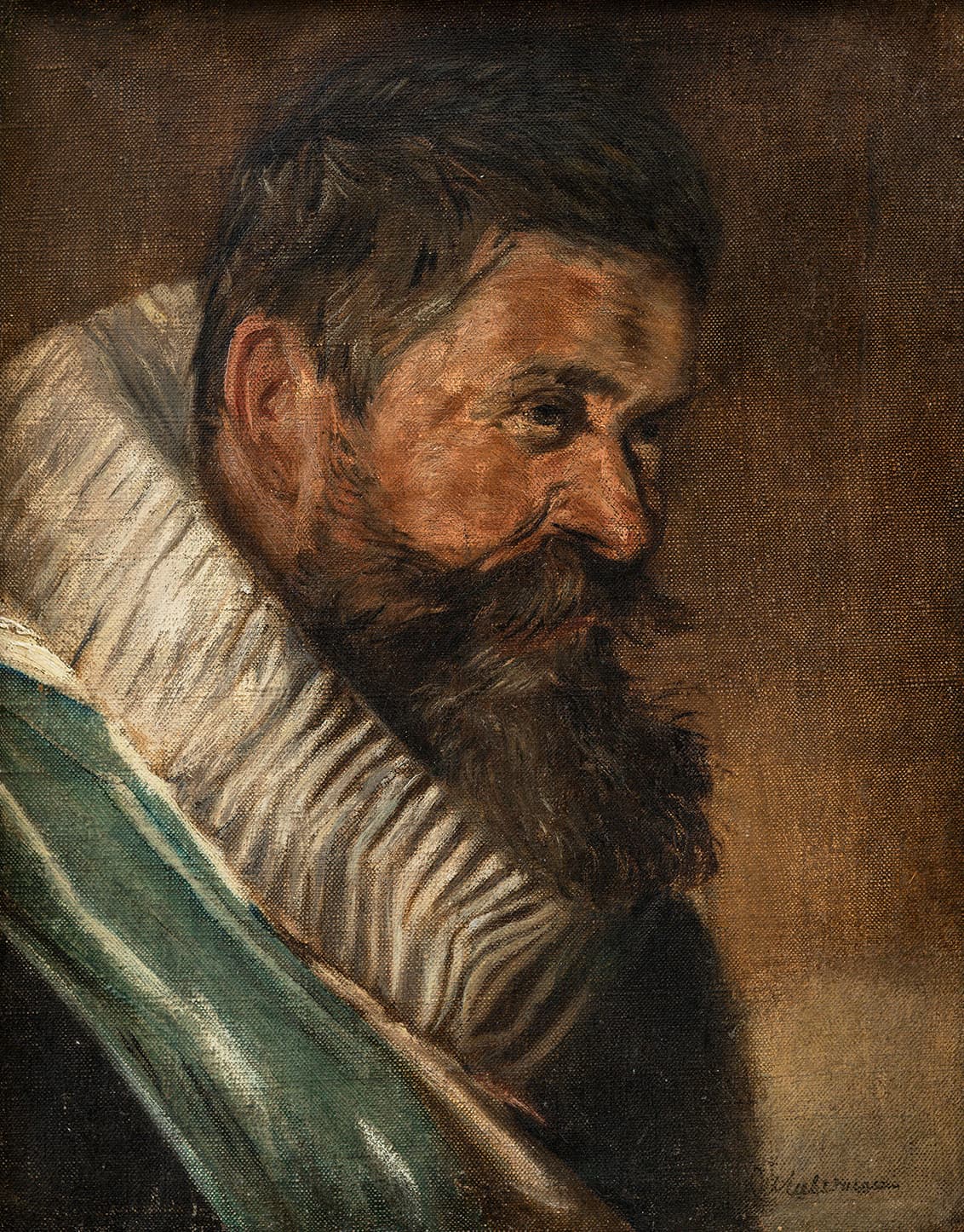
Max Liebermann, Kopf eines St. Adriansschützen aus dem Jahr 1627, Kopie nach Frans Hals, 1896, Öl auf Leinwand, 41 x 32 cm, Max-Liebermann-Gesellschaft, Foto: Oliver Ziebe, Berlin
Max Liebermann, Blick aus dem Nutzgarten nach Osten, um 1919, © Max–Liebermann–Gesellschaft, Foto: Oliver Ziebe
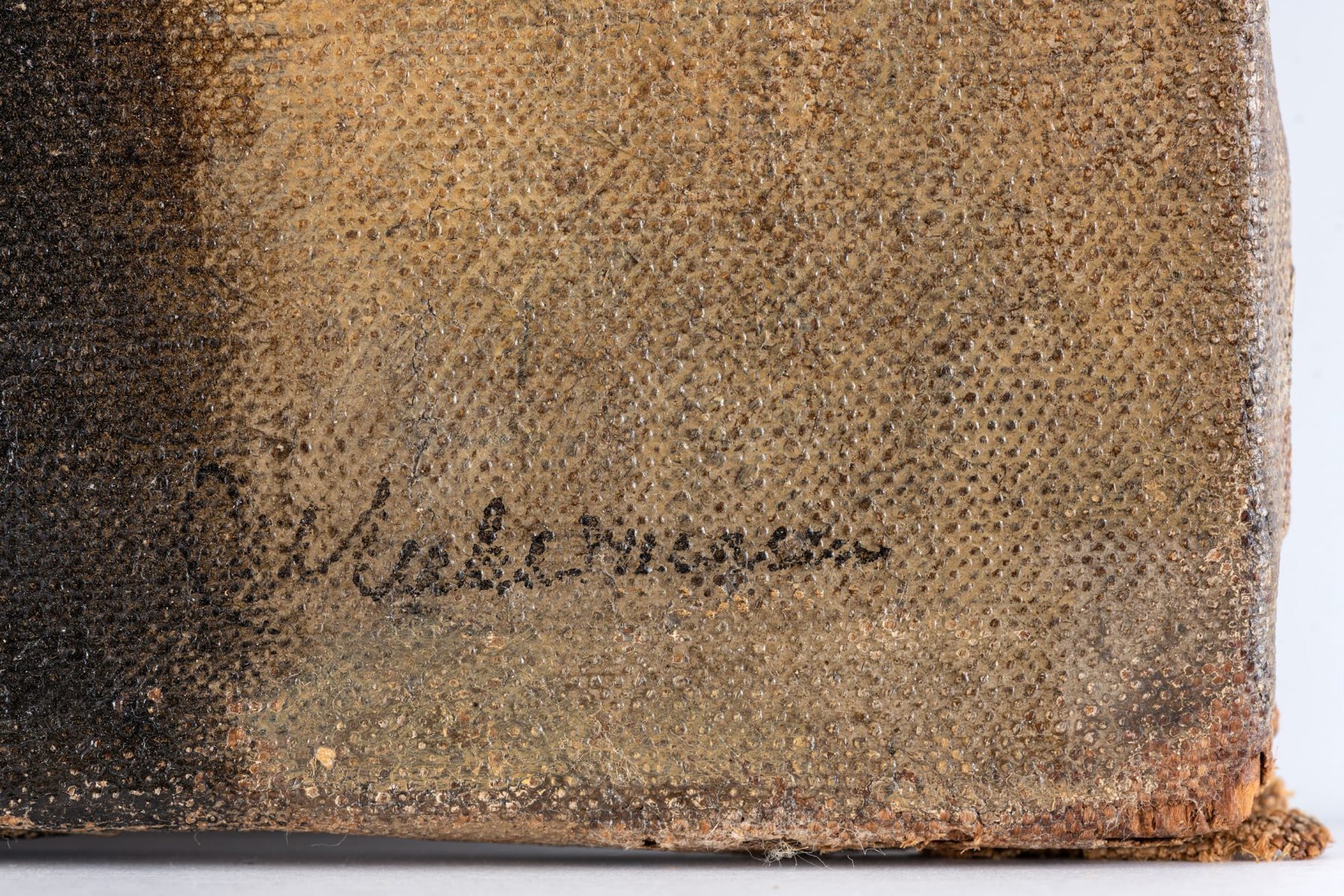
Max Liebermann, Kopf eines St. Adriansschützen aus dem Jahr 1627, Kopie nach Frans Hals, 1896, Öl auf Leinwand, 41 x 32 cm, Detail des Nachlassstempels, Max-Liebermann-Gesellschaft, Foto: Oliver Ziebe, Berlin
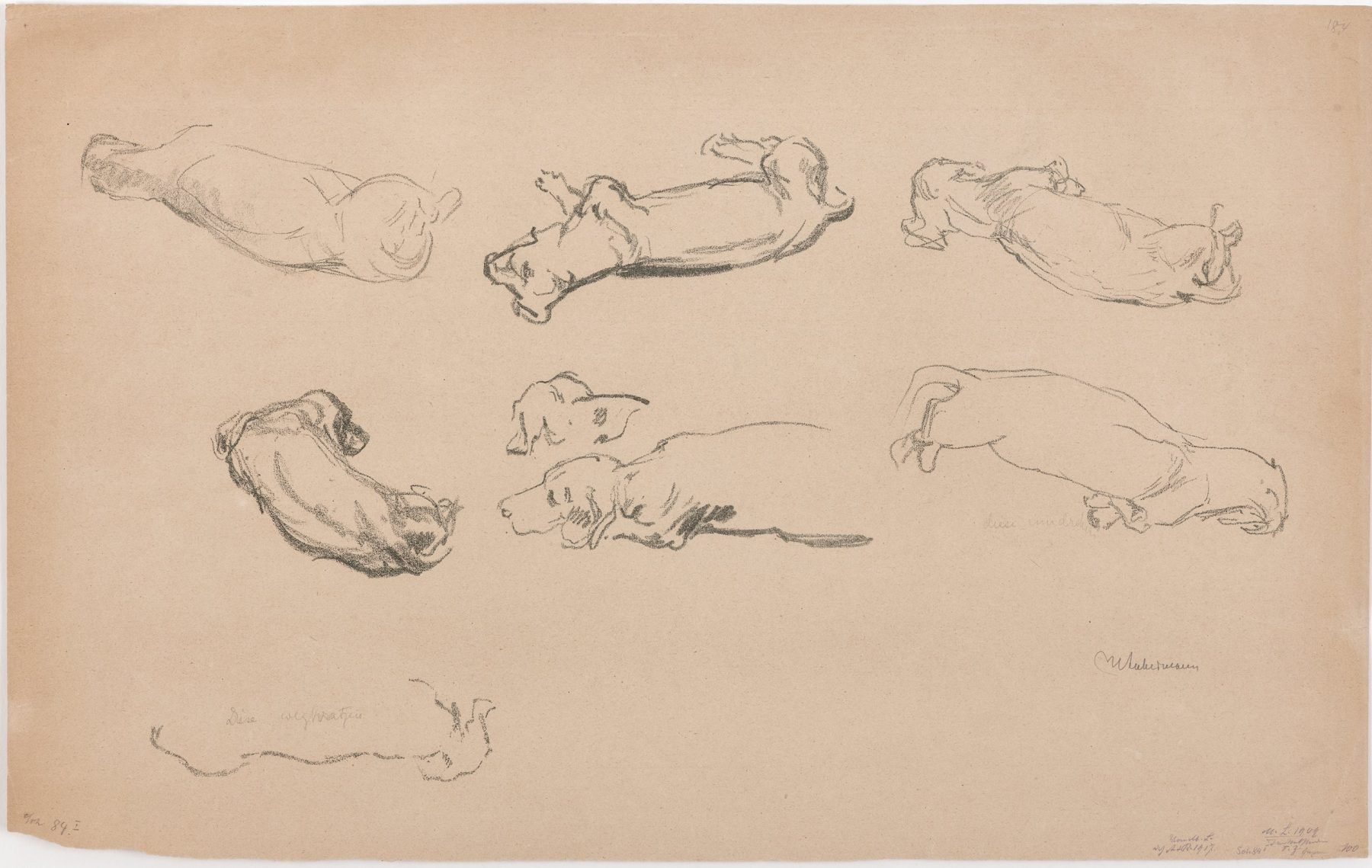
Max Liebermann, Teckelstudien, 1909, © Max-Liebermann-Gesellschaft, Foto: Oliver Ziebe
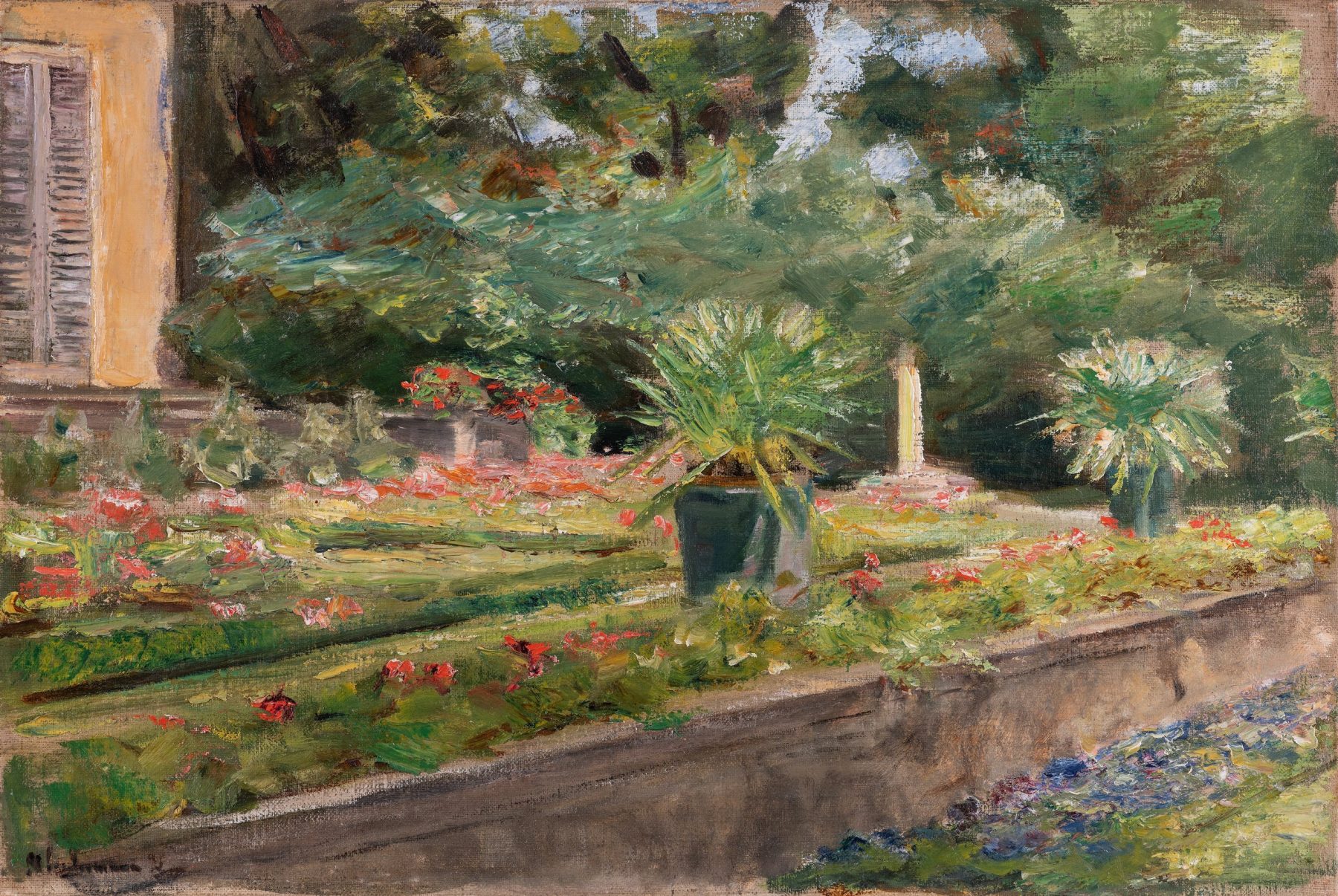
Max Liebermann, Die Blumenterrasse im Wannseegarten nach Nordwesten, 1915, © Max-Liebermann-Gesellschaft, Foto: Oliver Ziebe
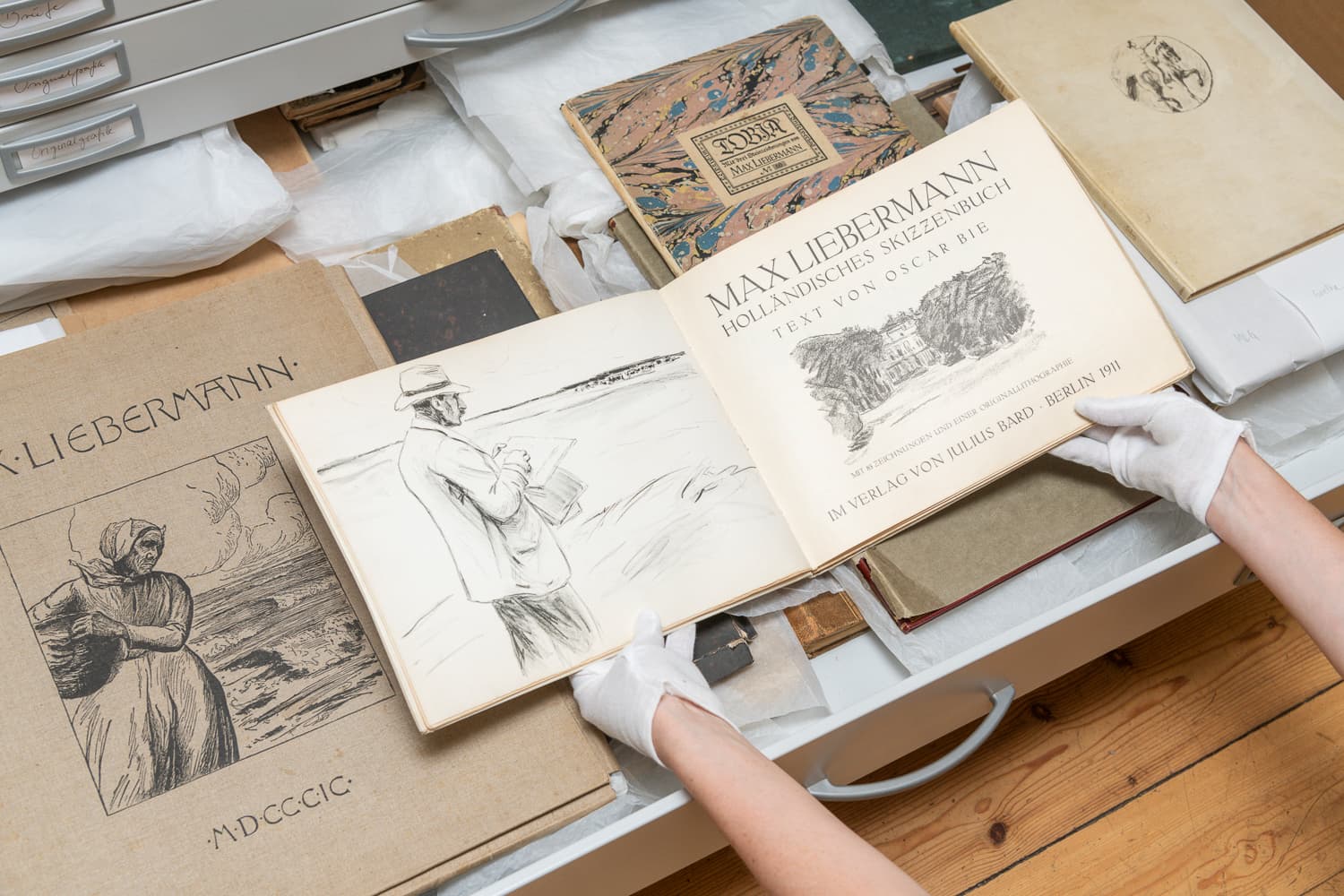
Historische Liebermann-Bücher aus dem Bestand der Liebermann-Villa am Wannsee, Max-Liebermann-Gesellschaft, Foto: Oliver Ziebe

Supported by

Media Partner