
Vision and illusion. Architectural photographs by Hélène Binet
Follow the stories of selected artworks from the exhibition ‘Vision and illusion. Architectural photographs by Hélène Binet’ with our audio guide.
Introduction – The Significance of Jewish Heritage and the Jewish Country Houses Project
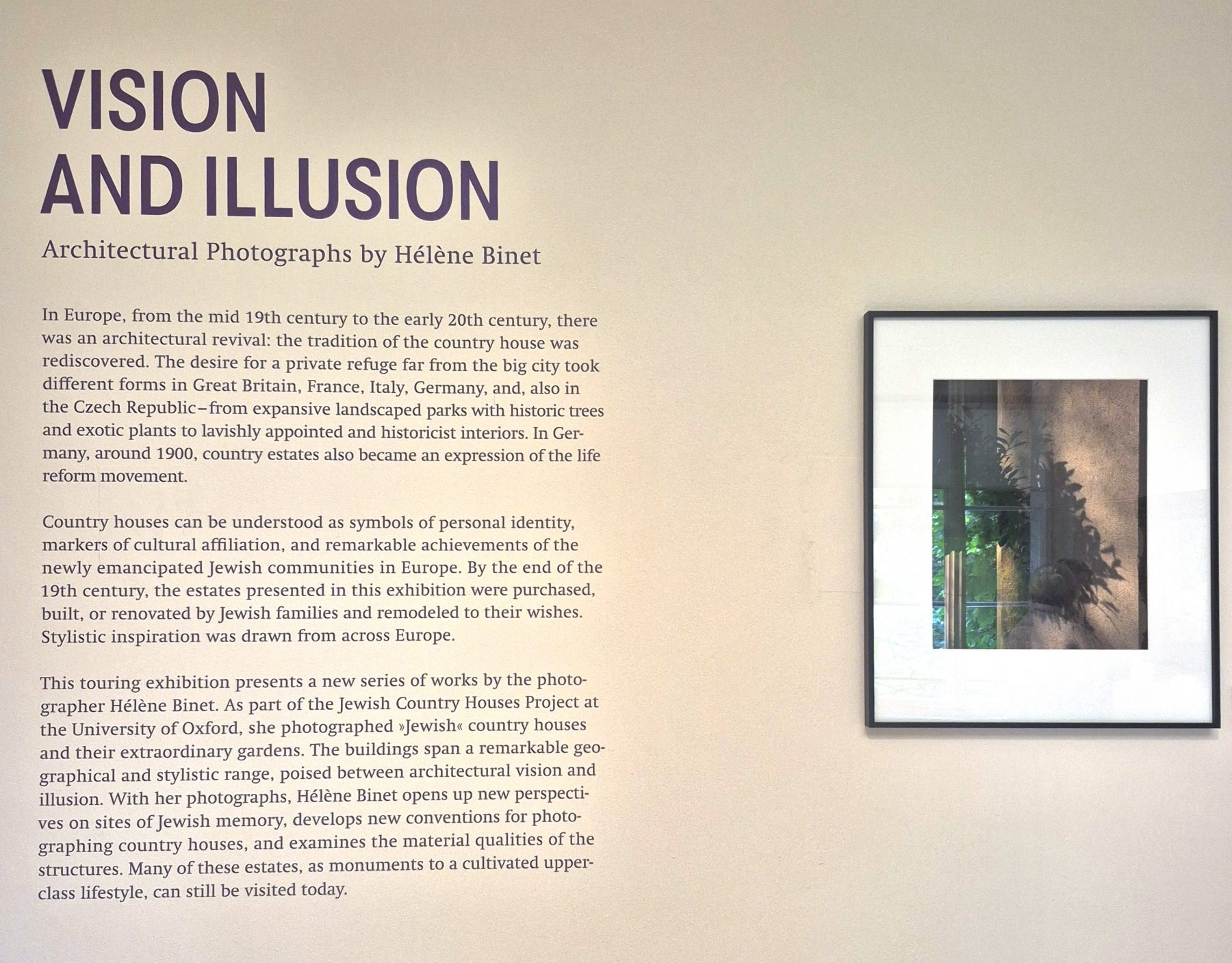
We warmly welcome you to our exhibition Vision and Illusion. Architectural Photography by Hélène Binet. This travelling exhibition was created in collaboration with the Jewish Country Houses Project at the University of Oxford, Strawberry Hill, Waddesdon Manor, and the Czech National Heritage Institute.
Waddesdon Manor, Buckinghamshire, United Kingdom
The magnificent estates of the famous Rothschild family can be found across Europe. Ferdinand de Rothschild was born in Paris – in the house of his grandfather Salomon von Rothschild, where Napoleon III, the future Emperor of France, was also born.
Strawberry Hill, Twickenham, London
After his Grand Tour through Europe, Horace Walpole acquired one of the last free plots on the banks of the Thames in the genteel district of Twickenham. There stood a small country house, which he had expanded in the Gothic style. At the same time, he built an extensive art collection: “In truth, my collection was already too extensive to be housed modestly,” Walpole admitted.
Villa Kérylos, Southern France
In Greek mythology, “Kérylos” refers to a mythical bird that nests in winter and was considered a bringer of good fortune. Villa Kérylos is a Gesamtkunstwerk (Total Work of Art): Théodore Reinach and his architect Emmanuel Pontremoli met at the 1900 World’s Fair. Together they built the extraordinary Villa in Beaulieu-sur-Mer between 1902 and 1908.
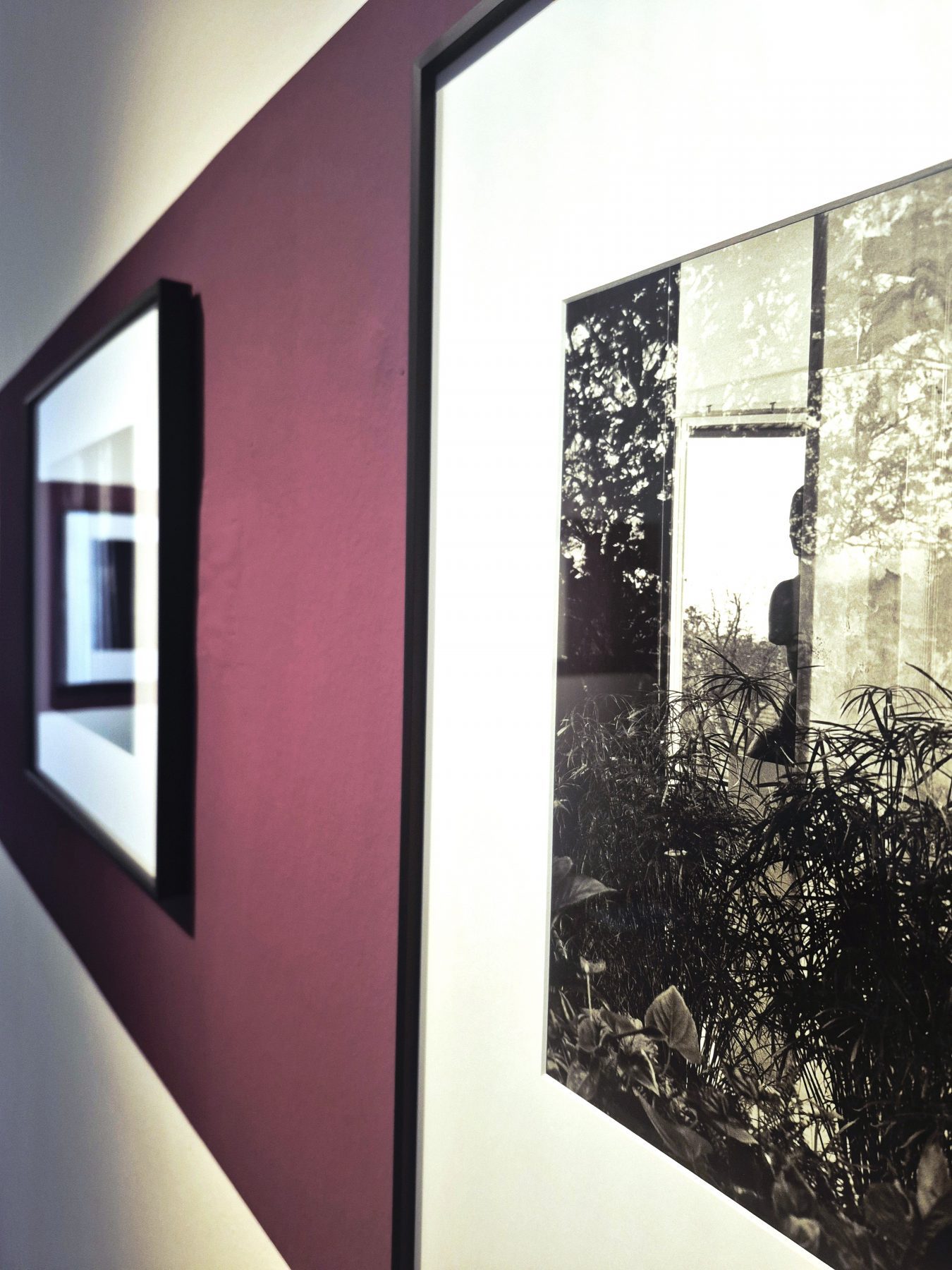
Villa Tugendhat, Czech Republic
With their city villa, the Tugendhats fulfilled a lifelong dream. The client, Grete Tugendhat, later recalled: “I had always wanted a spacious, modern house with clear, simple forms. And my husband was positively horrified by rooms crammed up to the ceiling with little figurines and decorative doilies.”
ENGLISH WALL TEXTS
Vision and illusion. Architectural photographs by Hélène Binet
HALL
Vision and Illusion. Architectural Photography by Hélène Binet
In Europe, from the mid19th century to the early 20th century, there was an architectural revival: the tradition of the country house was rediscovered. The desire for a private refuge far from the big city took different forms in Great Britain, France, Italy, Germany, and, also in the Czech Republic – from expansive landscaped parks with historic trees and exotic plants to lavishly appointed and historicist interiors. In Germany, around 1900, country estates also became an expression of the life reform movement.
Country houses can be understood as symbols of personal identity, markers of cultural affiliation, and remarkable achievements of the newly emancipated Jewish communities in Europe. By the end of the 19th century, the estates presented in this exhibition were purchased, built, or renovated by Jewish families and remodeled to their wishes. Stylistic inspiration was drawn from across Europe.
This touring exhibition presents a new series of works by Hélène Binet. As part of the Jewish Country Houses Project at the University of Oxford, she photographed Jewish country houses and their extraordinary gardens. The buildings span a remarkable geographical and stylistic range, poised between architectural vision and illusion. With her photographs, Hélène Binet opens up new perspectives on sites of Jewish memory, develops new conventions for photographing country houses, and examines the material qualities of the structures. Many of these estates, as monuments to a cultivated upper‑middle‑class lifestyle, can still be visited today.
Hélène Binet
Hélène Binet (CH/FR) is a renowned architectural photographer who lives and works in London. She studied photography at the Istituto Europeo di Design in Rome. For more than 35 years, Binet has photographed both contemporary and historical architecture. She is a committed advocate of analogue photography and thus works exclusively with film. Binet has won numerous awards, and her works have been and continue to be shown in exhibitions both nationally and internationally.
For the photographs on display, Hélène Binet used an Arca‑Swiss F‑Classic 4×5 large‑format camera and occasionally a Hasselblad 500C. The exhibition presents both chromogenic prints (c‑prints) and silver‑gelatin prints.
Chromogenic prints are produced by exposing a color negative or transparency to chromogenic photographic paper. This paper consists of three emulsion layers, each sensitized to one primary color. After exposure, the paper is immersed in a chemical bath. Each individual layer reacts with the chemicals, thus producing a full‑color image. The color prints shown here are chromogenic prints.
Silver‑gelatin prints, on the other hand, are among the most common and durable processes for producing black‑and‑white photographs. The paper is coated with tiny, light‑sensitive silver salts embedded in a thin layer of gelatin. Frequently, this is supported by an additional layer of barium sulfate (baryte), a white pigment that enhances brightness and gloss. During development, the exposed silver salts are transformed into pure black or grey silver particles, permanently fixing the visible image within the gelatin layer.
PARENTS’ BEDROOM
Liebermann Villa on Lake Wannsee, Berlin, Germany
In 2021, Hélène Binet visited the Liebermann Villa on Lake Wannsee, exploring its ornamental and material features. The painter Max Liebermann had the summerhouse built between 1909 and 1910. The lakeside property offered the Liebermann family a retreat from the city during the summer months.
Liebermann was actively involved in planning both the house and the surrounding garden. He noted: “I would like a country house that a citydweller has built for himself. As everywhere, the simplest thing is the hardest.” (Max Liebermann to Alfred Lichtwark, July 26, 1909)
To realize his vision, he commissioned the architect Paul Otto Baumgarten (1873–1946), a pupil of Alfred Messel. His architectural models included the neoclassical villas on the Elbchaussee in Hamburg‑Nienstedten, such as the Jacob Cesar Godeffroy country house.
It was decided to place the summerhouse on the property to structure the 7,000 square meter garden spatially. Two colossal shelllimestone columns mark the façade facing the kitchen garden, while a gabletopped central projection defines the lakefacing side. Liebermann brought part of his distinguished art collection to the summerhouse, but the predominantly simple furnishings surprised some of his contemporaries.
The artist had the garden designed with special attention to sight lines, perspective, and color contrasts. Today, the Liebermann Garden is considered one of the few preserved and historically reconstructed examples of the European reform garden movement.
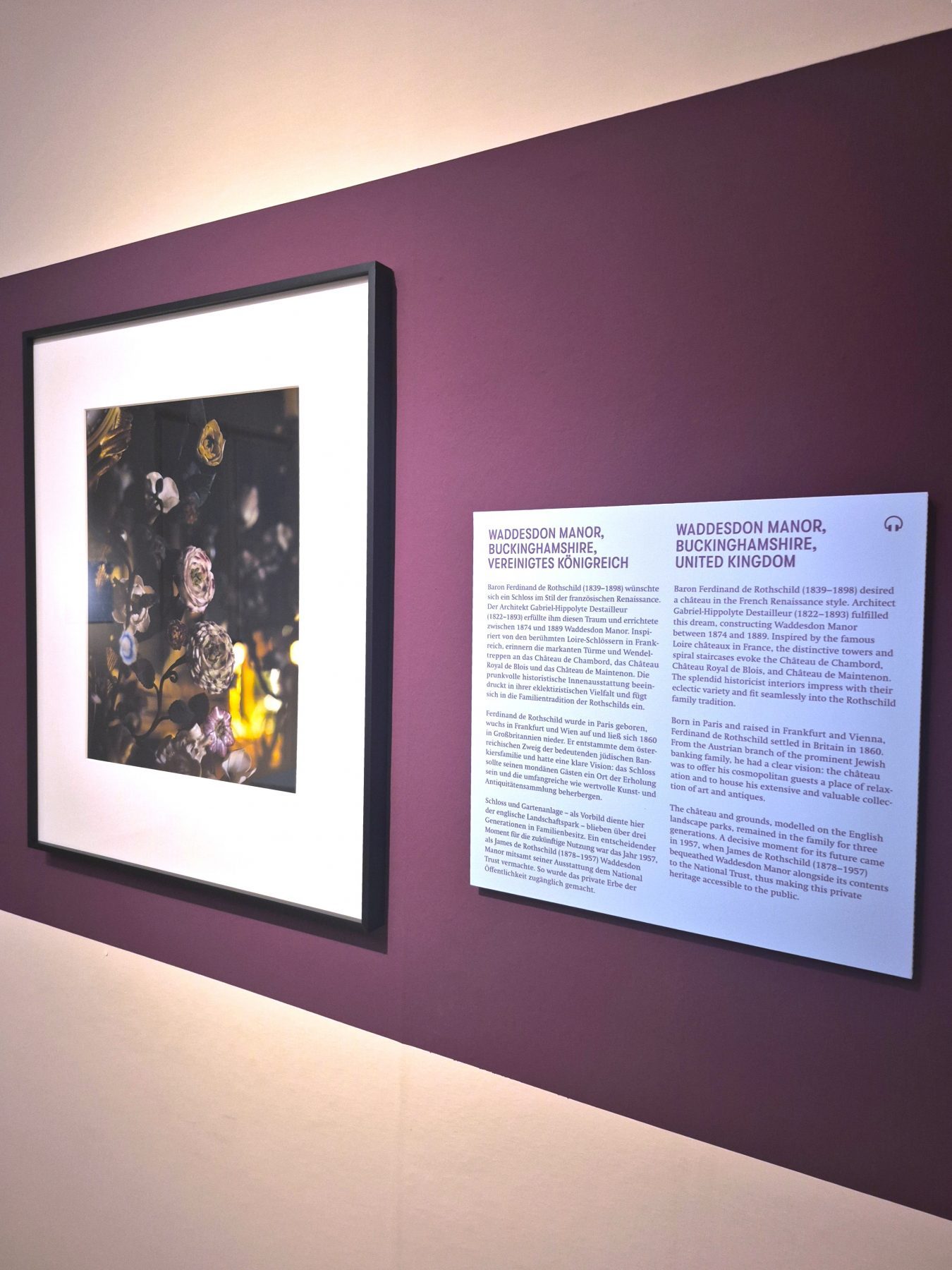
Waddesdon Manor, Buckinghamshire, United Kingdom
Baron Ferdinand de Rothschild (1839–1898) desired a château in the French Renaissance style. Architect Gabriel‑Hippolyte Destailleur (1822–1893) fulfilled this dream, constructing Waddesdon Manor between 1874 and 1889. Inspired by the famous Loire châteaux in France, the distinctive towers and spiral staircases evoke the Château de Chambord, Château de Blois, and Château de Maintenon. The splendid historicist interiors impress with their eclectic variety and fit seamlessly into the Rothschild family tradition.
Born in Paris and raised in Frankfurt and Vienna, Ferdinand de Rothschild settled in Britain in 1860. From the Austrian branch of the prominent Jewish banking family, he had a clear vision: the château was to offer his cosmopolitan guests a place of relaxation and to house his extensive and valuable collection of art and antiques.
The château and grounds, modelled on the English landscape parks, remained in the family for three generations. A decisive moment for its future came in 1957, when James de Rothschild (1878–1957) bequeathed Waddesdon Manor and its contents to the National Trust, thus making this private heritage accessible to the public.
PARENTS’ DRESSING ROOM
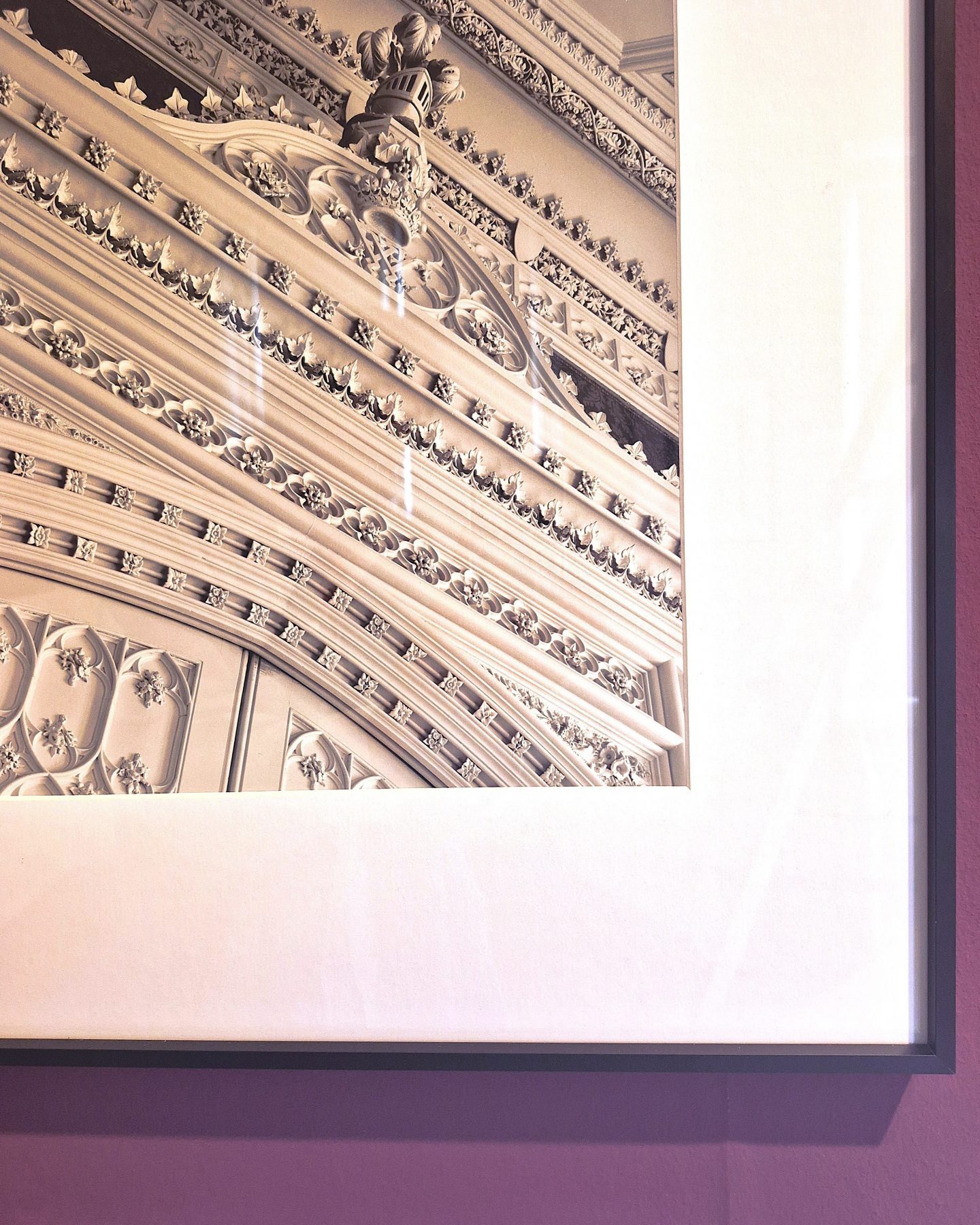
Strawberry Hill, Twickenham, London, United Kingdom
The story of Strawberry Hill begins with Horace Walpole (1717–1797), the 4th Earl of Orford. As the son of Britain’s first Prime Minister, Walpole was a central figure in 18th‑century society, literature, art, and architecture. Between 1747 and 1797, he had a Gothic‑style house with battlements and turrets built. He also had the interiors lavishly decorated in the Gothic style.
The fairy‑tale‑like building inspired Walpole to write his famous novel The Castle of Otranto. As a literary memorial and a model for similar villas and châteaux across Europe, Strawberry Hill entered history and spurred the revival of the Gothic style. Even in his lifetime, the estate – with its curious, Gothic‑focused collection – became a tourist attraction.
After the writer’s death, Strawberry Hill remained in the family, but financial difficulties led to the sale of much of the collection. In 1846, the house and garden passed to the young Frances, Countess Waldegrave (1821–1879). The daughter of a Jewish opera star, she fundamentally remodeled the estate, drawing on Jewish symbolism. Lady Waldegrave added to the remaining collection with 18th‑ and 19th‑century art acquired during her travels through Europe – in Germany, Italy, and France. She also had stained‑glass windows featuring her family emblem installed and commissioned portraits.
DAUGHTER’S BEDROOM
Nymans, West Sussex, United Kingdom
Ludwig Messel (1847–1914), a German‑Jewish stockbroker, bought the Nymans estate in 1890. He commissioned his brother, Alfred Messel (1853–1909), a well‑known architect in the German Empire, to remodel the original Regency house in the German style.
In 1915, Ludwig Messel’s son Leonard (1872–1953) inherited Nymans. At the request of his wife, Maud, he replaced the house with a picturesque stone manor in the late‑Gothic Tudor style. A devastating fire later destroyed the library and large parts of the house; in 1947, only a portion could be rebuilt. After Leonard Messel’s death in 1953, the estate was entrusted to the National Trust.
Today, the house and garden, with its manor ruins and a scenic view over the High Weald of Sussex, are open to the public. The garden is internationally renowned for its rare plants. A rose garden dating from 1920 recalls the garden of the Liebermanns on Lake Wannsee. The estate also includes the listed landscape park with historic woodland, a lake, and waterfalls.
Hughenden Manor, Buckinghamshire, United Kingdom
Benjamin Disraeli (1804–1881), 1st Earl of Beaconsfield – Member of the Victorian Parliament, Prime Minister, and leader of the Conservative Tory Party – was socially obliged to own a grand country estate. He commissioned Edward Buckton Lamb (1806–1869) to remodel the brick building in a Gothic‑inspired style. As Disraeli left no children, he bequeathed Hughenden Manor to his nephew Coningsby Disraeli, who was only 14 at the time. His trustee initially rented out the property until the nephew came of age.
The house is set within a stately Italianate landscape garden with a Victorian parterre and classical statues. Alongside centuries‑old beech trees, the walled grounds contain an apple orchard.
Later owner W. H. Abbey, an admirer of Disraeli, opened the house as a museum in 1937. During the Second World War, the British intelligence service used Hughenden Manor’s basement for “Operation Hillside”, where Air Ministry staff analyzed photographs of Germany and prepared maps for upcoming air raids. After the war, in 1947, the estate was also transferred to the National Trust.
Montefiore Synagogue and Mausoleum, Manston, Kent, United Kingdom
Sir Moses Montefiore (1784–1885), banker and philanthropist, first encountered the coastal region of Ramsgate on his honeymoon in 1812. He and his wife, Judith Cohen (1784–1862), decided to settle there. Since 1786, Ramsgate had a small Jewish community.
After purchasing a hilltop estate called East Cliff Lodge, he also had a private synagogue built for the Sephardi rite. Montefiore was known for combining strict Jewish Orthodox principles with all the refinements of an English gentleman. The wish to have a private synagogue was in keeping with the European tradition of Christian private chapels. For the construction, in 1831, the couple commissioned architect David Mocatta (1806–1882), a cousin of Sir Moses Montefiore. Today, the synagogue is considered a notable example of Regency period architecture. The neoclassical style is characterized by symmetrical façades and clear proportions, borrowed from Greek and Roman antiquity and enhanced with playful, extravagant details.
East Cliff Lodge was demolished in 1954, but the synagogue and adjoining mausoleum survived, along with the prayer benches of Sir Moses and Lady Montefiore. Today, the synagogue and mausoleum are maintained by the Montefiore Endowment, which also looks after Ramsgate’s nearby Jewish cemetery.
DAUGHTER’S SALON
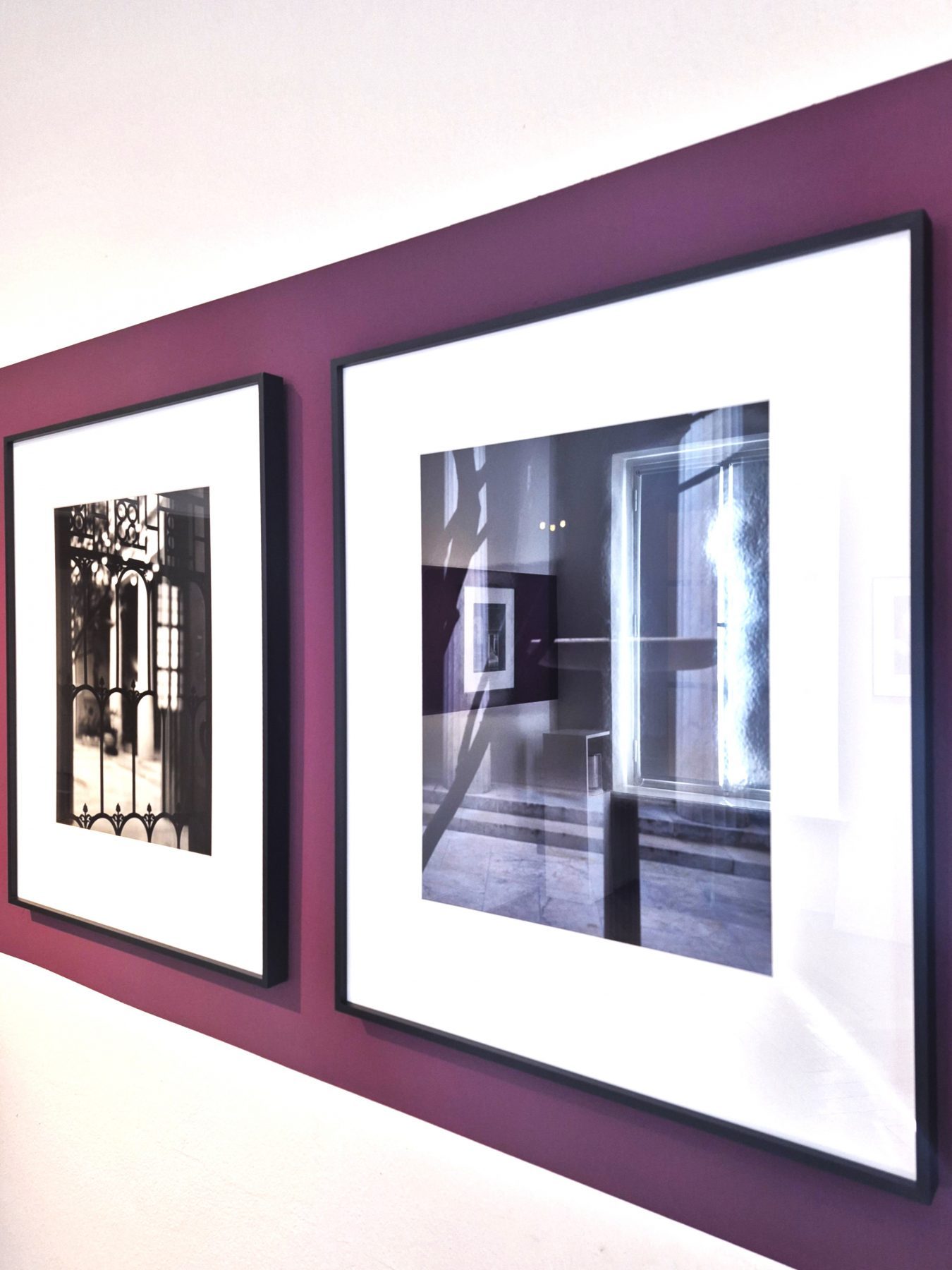
Villa Kérylos, Beaulieu‑sur‑Mer, Côte d’Azur, France
Known as the “Greek Villa”, Villa Kérylos stands proudly above the sea. It was built between 1906 and 1912 for the Hellenist, archaeologist, numismatist, and politician Théodore Reinach (1860–1928). He commissioned architect Emmanuel Pontremoli (1865–1956) to design the villa. Reinach drew inspiration from Greek architectural culture and combined it with modern comfort. A particularly striking feature of ancient architecture, the courtyard surrounded by a colonnade, is central to the design.
The Reinach family was related to Béatrice de Rothschild, who, only a few kilometers away, had the Villa Ephrussi de Rothschild built at almost the same time. Like the Rothschilds, the Reinach family was not spared the rising antisemitism in France. Théodore Reinach was elected to the National Assembly in 1907 and founded the Union Libérale Israélite de France. This movement is considered the first liberal Reform synagogue in France, with the aim of rediscovering the diversity of the intellectual and religious traditions of Judaism.
As a member of the Institut de France, Reinach bequeathed his villa to the institute in 1928. His children and grandchildren lived in the house until the 1960s. In 1966, it was placed under historic monument protection and can now be visited as a museum.
Villa La Montesca, Umbria, Italy
Villa La Montesca was built between 1883 and 1889 for the brothers Leopoldo (1847–1917) and Giulio Franchetti (1840–1909). Giulio was an art collector and patron in Florence; Leopoldo was a liberal politician and agrarian reformer. In 1876, Leopoldo Franchetti travelled to Sicily and wrote a report on the island’s political and administrative conditions — an early analysis of the scope of the Mafia’s influence in the 19th century, still considered a relevant source today.
Baron Isaac Franchetti left his sons a fortune. He came from an Iberian Jewish merchant family whose wealth derived from trade between Livorno, Tunis, Izmir, and France. The young Florentine architect Giuseppe Boccini (1840–1900) designed a twostory Neo Renaissance villa perched on a hill. The distinctive corner towers, topped with loggias, offer sweeping views of Città di Castello.
After Leopoldo married the American Alice Hallgarten (1874–1911) in 1900, the couple transformed the house into a center for education and philanthropic ideas, with a particular focus on women. The couple also supported economic, educational, and charitable initiatives. The renowned educator and reformer Maria Montessori (1870–1952) worked closely with Alice Hallgarten, and in 1909, the first Montessori teacher training course took place there.
The villa’s park, created in 1885, features an extensive collection of trees. From his travels, Leopoldo Franchetti brought back numerous exotic plants, many of which have survived and still grow in the garden today.
Villa Tugendhat, Brno, Czech Republic
As a modern architectural icon, Villa Tugendhat continues to impress with its timeless design. Architect Ludwig Mies van der Rohe (1886–1969) designed the villa for Grete Löw‑Beer (1903–1970) and her husband Fritz Tugendhat (1895–1958). The villa was built at the same time as Van der Rohe’s famous Barcelona Pavilion. Its hillside location and southwest orientation offer an impressive panorama over Brno’s old town.
Both Löw‑Beer and Tugendhat came from Jewish industrialist families. As a wedding gift, Grete’s parents gave her the large plot of land. She had met the architect in Berlin, and by the end of 1928, they were discussing the first designs for the house. Despite the Great Depression, the villa – with its clean lines and large windows – was constructed between 1929 and 1930. A seamless connection between indoors and outdoors, as well as the use of luxurious and exotic materials, still define this iconic building today.
During the Second World War, the Jewish families Löw‑Beer and Tugendhat were forced to leave the country, fleeing via Switzerland to Venezuela. In 1939, the Gestapo confiscated the villa, leading to years of neglect and misuse. After the liberation of Czechoslovakia in 1945, the Red Army occupied the building. Later, in 1992, it was the site of the summit where the agreement to dissolve Czechoslovakia was signed. In 2001, Villa Tugendhat was added to the UNESCO World Heritage List.
CORRIDOR
“The meeting point between the early dream for the house, and the literal vision of that house shaped by inhabiting it […] Through photography, I worked to combine two visions to communicate this to an audience.” – Hélène Binet
“The soul of photography is its relationship with the instant.” – Hélène Binet
“Photography is a simple and very direct medium of communication – it captures, reduces and frames the world through the intention of the photographer. But this is a world that exists before being photographed.” – Hélène Binet